The short answer: E-invoicing is not about control, it's about clean data.
The long answer: Let's explain it properly, in language everyone can understand — no technical jargon, no confusing terms, just clear explanations.
First: What E-Invoicing IS (and What it is NOT)
What it is NOT
Not a PDF sent by email
A PDF is just a picture of an invoice — computers can't read it properly
Not WhatsApp invoices
Photos or screenshots sent via messaging apps won't work anymore
Not scanned or printed bills
Paper invoices scanned to digital won't be compliant
Not forcing same software
Buyers and sellers DON'T need to use the same system
What it IS
Structured digital invoice
Machine-readable format (like Excel, not like PDF)
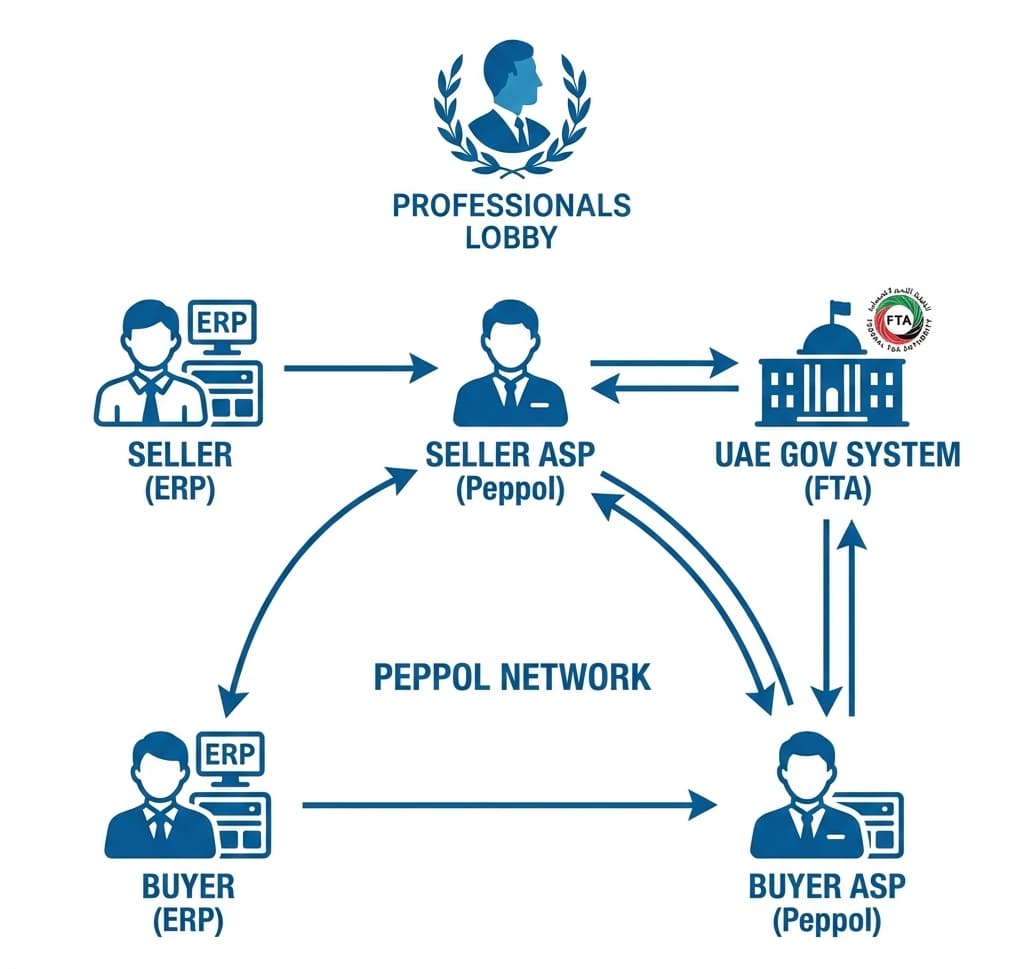
Secure three-way flow
Seller → Buyer → Government (through secure networks)
Same legal value
Full legal validity as traditional tax invoices
Designed for automation
Built for accuracy, speed, and transparency
Is like a photo — looks nice, but computers can only see it, not understand it
Is like an Excel file — structured data that systems can read, process, and understand automatically
What if item names, codes, sizes, or units are different?
Real-Life Example
Seller's Invoice
Buyer's System Has
What Actually Happens?
Seller sends full details
Complete item information is transmitted exactly as seller has it
Buyer does NOT copy items
Buyer system uses matching rules to understand incoming items
System uses aggregation
Buyer can say: "All shirts go into one SKU" regardless of color/size
The Beautiful Result
Seller detail is preserved
For audit trails and future reference
Buyer inventory stays simple
No need to create 1000s of new items
Accounting remains clean
Everything posts correctly without manual work
Nothing breaks. The system is designed for real-world business variety.
What if one side has NO software at all?
Reality Check
Not every business in UAE has:
And that's okay. The UAE system is designed for everyone.
Will different software systems talk to each other?
Yes — This is the Whole Point!
Important Truth:
E-invoicing is software-neutral. No vendor lock-in, no forced software choices.
Seller Can Use:
Buyer Can Use:
Different ERP, different accounting system, different platform
How They Still Communicate
Seller System
SAP, Odoo, Custom, etc.
Accredited Service Providers
Translate & route data securely
Buyer System
Different ERP, accounting software
Think of it like this:
Service providers act as the universal translator between different business systems
What if matching fails?
This WILL happen — especially at the beginning.
And guess what? The system expects it. It's designed for this reality.
What Happens When Matching Fails
Invoice goes to temporary inbox
Instead of posting incorrectly, it waits in a special review folder
User gets notified
You receive an alert: "New invoice needs your attention"
Options appear
System remembers your choice
Once you match an item, the system learns from your decision
The Learning Progression
First Invoice
Setup time — You teach the system once
Second Invoice
Smooth processing — System applies what it learned
Third Invoice
Invisible automation — No manual work needed
Key Takeaway:
No repeated work. You match once, and future invoices auto-post. This is how smart systems work.
How will the government manage so much data?
This Worries Many People — Understandably
Businesses are concerned about privacy, security, and government capabilities. Let's clarify what's actually happening.
Key Clarification: What Government is NOT Doing
Not storing full databases
Government is NOT keeping your complete inventory, customer lists, or pricing strategies
Not controlling inventory
Government does NOT manage your stock levels or product categories
Not monitoring pricing
Government does NOT track your profit margins or commercial strategies
What is Actually Reported to FTA
Only key tax-relevant data is shared:
Basic Information
- Seller & buyer TRN (Tax Registration Number)
- Invoice number & date
- Total taxable amounts
- VAT amounts
Line Summaries
- Basic line item information
- Quantity and unit price (optional)
- Tax category per line
- Discounts and adjustments
Your Business Privacy is Protected
Detailed commercial logic stays inside your systems. Government receives only what's needed for tax compliance.
How Government Manages This Data
Scalable cloud infrastructure
Modern systems that can handle millions of transactions daily
Aggregated reporting
Data is summarized for analysis, not stored as individual business secrets
Risk-based analysis
Focus on compliance patterns, not micromanagement of businesses
Global Best Practice
Similar systems work successfully in 80+ countries worldwide. UAE is implementing proven, mature technology.
Real Challenges Businesses WILL Face
Let's be realistic. While the system is well-designed, businesses need to prepare for these real challenges:
Poor Item Masters
High ImpactMessy items today → Painful mapping tomorrow
- Duplicate items with different names
- Inconsistent units of measure
- Missing or incorrect codes
- Poor categorization
No Internal Process
Medium ImpactNo clear rules = Manual work forever
- Unclear who approves what
- No matching rules defined
- Multiple people doing same work
- No escalation procedures
Resistance to Change
Medium ImpactPeople fear what they don't understand
- "We've always done it this way" mentality
- Fear of technology
- Concern about job security
- Lack of training
Last-Minute Compliance
Low ImpactWaiting until deadline always costs more
- Rushed implementation
- Higher consulting costs
- More errors and rework
- Business disruption
Why E-Invoicing is Actually Good for UAE Businesses
Once settled (after the initial adjustment period), businesses gain real advantages:
Benefits for Your Business
Faster Invoice Processing
From days to minutes for matching and approval
Fewer Disputes
Clear, standardized data reduces misunderstandings
Cleaner Audits
Organized digital records make audits smoother
Better Cash Flow
Faster processing means faster payments
Reduced Fraud
Digital trail makes fraudulent invoices harder
Lower Long-term Costs
Less manual work = lower operational costs
Benefits for UAE Economy
Stronger Tax System
More accurate VAT collection, less evasion
Easier Doing Business
Standardized processes across all businesses
Global Credibility
Aligned with international best practices
Digital Leadership
Positioning UAE as technology-forward economy
Final Thought for Professionals Lobby Audience
E-invoicing is NOT an IT project.
It's a business process upgrade. Technology enables it, but success depends on people and processes.
The Winners Will Be Those Who:
Understand It Early
Read, learn, ask questions now instead of later
Prepare Calmly
Create a phased plan with reasonable timelines
Design Simple Systems
Keep processes straightforward and flexible
Educate Teams
Train staff and inform clients well in advance
At Professionals Lobby, This is Our Sweet Spot
This is exactly where AI + human expertise makes the difference — translating complex regulations into practical, business-friendly solutions that actually work in the real world.
Translation
Turning legal requirements into simple business language
Roadmapping
Creating step-by-step implementation plans
Integration
Connecting e-invoicing with existing business processes
Training
Educating teams for smooth adoption
Ready to Make E-Invoicing Work for Your Business?
Contact our experts for a simple, no-jargon explanation of what e-invoicing means specifically for your business.