Technology often appears serious and complex, but beneath the layers of code and systems lie surprisingly human stories. From "Lorem Ipsum" that designers see daily to "Hello World" that every programmer writes first — these familiar phrases have histories filled with humor, accident, and human psychology. Discover why tech speaks in placeholder languages and what it teaches us about digital culture.
Quick Navigation
Lorem Ipsum: The Meaningless Text That Changed Design
"Lorem ipsum dolor sit amet, consectetur adipiscing elit..."
The most famous nonsense in design historyThe 2000-Year-Old Origin Story
Contrary to popular belief, Lorem Ipsum isn't random gibberish. It comes from Cicero's 45 BC philosophical text "de Finibus Bonorum et Malorum" (On the Ends of Good and Evil). But here's the twist: 16th-century printers intentionally scrambled it, removing meaning while keeping the look of real Latin.
Why Designers Still Use It
Focus on Layout
Prevents distraction from actual content meaning
Realistic Spacing
Shows how real text flows in layouts
Language Neutral
Works across all languages and cultures
Time-Tested
600+ years of proven effectiveness
Funny Irony
Lorem Ipsum became so ubiquitous that people started translating it seriously. Websites exist dedicated to "decoding" what is essentially designer's nonsense. The original scrambled text from 1500 continues to confuse people in 2024!
John Doe: The Most Famous Person Who Never Existed
John Doe & Jane Doe
The universal placeholder humansLegal Origins
John Doe first appeared in English legal systems in the 14th century as a placeholder for unknown parties in land disputes. "John" was the most common English name, and "Doe" was a neutral surname that avoided association with any real family.
The Placeholder Family Tree
Real-World Problem
Some hospitals have accidentally created multiple "John Doe" medical records, causing genuine confusion in patient care. The placeholder became so common that it started causing the very problems it was designed to prevent!
Hello World: A Programmer's First Words
print("Hello, World!")
The universal digital handshakeTextbook Origins
The first documented "Hello, World!" program appeared in Brian Kernighan's 1972 book "A Tutorial Introduction to the Language B." It was simple enough to test basic output but profound enough to symbolize communication between human and machine.
Same Phrase, Different Languages:
print("Hello, World!")console.log("Hello, World!");System.out.println("Hello, World!");cout << "Hello, World!";Why These Specific Words?
Non-threatening introduction to programming
Works across all cultures and languages
Proves the development environment works
Every programmer remembers their first
Android's Sweet Tooth: When Operating Systems Had Dessert Names
Cupcake to Pie: A Delicious Journey
Android's most playful naming conventionThe Complete Dessert Menu
Why Desserts?
Friendly Branding
Made updates feel like treats, not chores
Easy Recall
Dessert names are more memorable than numbers
Global Fun
Created excitement worldwide
Why It Ended After Pie (2018):
- Global Confusion: Not all desserts are known worldwide
- Localization Issues: Hard to translate consistently
- Enterprise Needs: Numbers are clearer for business
- Alphabet Exhaustion: Ran out of good dessert names!
Developer Nostalgia
"The dessert names gave Android personality. Each release felt like unwrapping a new candy. Today's number-based versions work better for business, but we miss the sweetness." — Senior Android Developer
Foo, Bar, Alice & Bob: Tech's Universal Cast
The Standard Cast of Tech Examples
Why every tutorial has the same charactersMeet the Regulars
Military slang origins (FUBAR), now universal placeholders in code examples
Alice sends, Bob receives. Makes abstract security concepts relatable
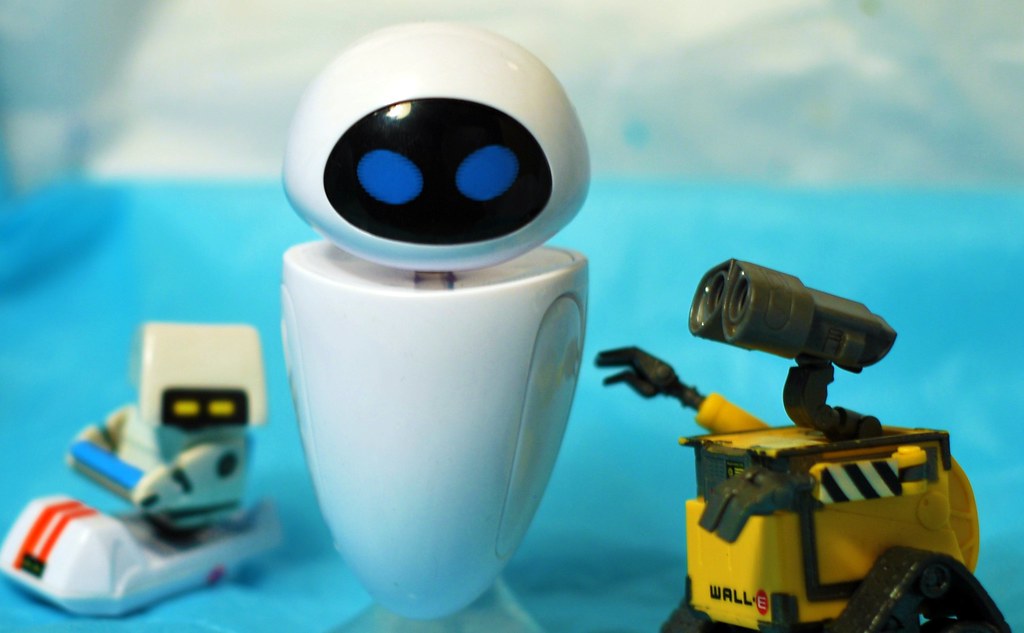
Tries to intercept Alice and Bob's communications. The "evil" counterpart
More aggressive than Eve. Actively tries to disrupt communication
The Power of Storytelling in Tech
These characters transform abstract technical concepts into relatable stories. When security researchers say "Alice sends a message to Bob, but Eve is listening," they've created an instant mental model that's more effective than any equation.
Business Lesson:
The most complex systems become understandable when framed as human stories. This is why at Professionals Lobby, we translate ERP and AI complexity into business narratives that leaders can grasp intuitively.
Why These Stories Matter for Businesses
Better Tech-Business Communication
Understanding these cultural references helps business leaders communicate more effectively with technical teams. When you know why developers use certain terms, you bridge the communication gap.
User-Friendly System Design
The principles behind these placeholders — neutrality, clarity, universality — are the same principles that create excellent user experiences in business software.
Cognitive Efficiency
Placeholders reduce mental load. In business systems, well-designed defaults and templates serve the same purpose — they let users focus on what matters.
The Professionals Lobby Approach
We believe that understanding technology isn't just about knowing how systems work, but understanding why they evolved the way they did. This human-centered perspective informs everything we do:
AI Advisory
Translating AI complexity into business strategy
ERP Implementation
Making enterprise systems feel human-friendly
Digital Transformation
Guiding change with cultural sensitivity
Compliance
Navigating regulations with clear communication
Funny Tech Ironies You'll Appreciate
CAPTCHA Trains AI
Created to stop bots, CAPTCHA now provides free training data for AI image recognition systems.
"Temporary" Becomes Permanent
Test data marked "temporary" often stays in production systems for years, sometimes decades.
Placeholder Becomes Real
Dummy data sometimes gets copied into real databases, creating phantom customers or transactions.
Error 404 Mythology
The myths about Error 404 (haunted servers, etc.) have outlived the actual technical explanation.
Final Thought: Technology Has Personality
The next time you see Lorem Ipsum in a design mockup, meet John Doe in a legal document, or write Hello World in code — remember these aren't random choices. They're shared cultural shortcuts, shaped by history, humor, and human psychology.